
By Victoria Tran, the Communications Director of Kitfox Games, a small independent games studio in Montreal currently working on Boyfriend Dungeon, Lucifer Within Us and publishing Six Ages, Fit For a King, and Dwarf Fortress. This was originally posted on their Medium blog.
What does a community developer do?
I sum up my role as “character development, but for communities.” Community developers, in a variety of ways, build up and direct the fan base in the direction we want it to grow. We design the places outside of the game that these communities will interact in, as well as the tone, the rules, and the experience they will have in these spaces. We create the systems that people use to interact with us, each other and, in some cases, the dev team.
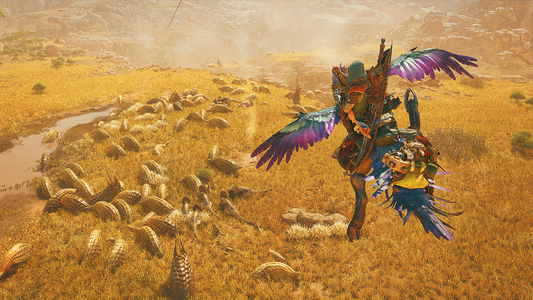
 Visual representation of me lurking in our Discord at 10pm to make sure everyone is behaving.
Devs tend to know they want a community, but neglect considering what kind of belongingness they want from their communities. And then those who do consider it might decide they want “positive”, “healthy”, and “engaged” communities, which is a great goal, but doesn’t concretely describe what actions to take.
How do you get there? That’s where community developers come in.
To be clear here, kind community design doesn’t mean chanting positive affirmations into your community every single day. (I mean, you can if you want though?) It means creating a safe, low pressure, helpful, and encouraging interactive space among the players. So even when times of tension or anger come up (e.g. a troll), they still actively work together to help make the space a kind and accepting place.
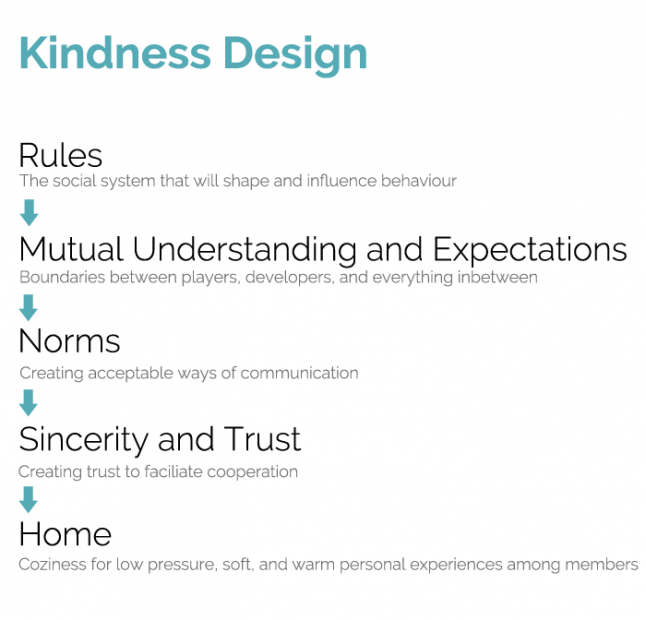 More on this further on!
*** Note: Our community strategies MAY only have been as successful as they are because we’re relatively small. We don’t really have experience with giant mega-communities that million-unit-selling games tend to have, which probably need different strategies. ***
Kitfox’s Community
So for a bit of background information, here’s what Kitfox’s community is like, at the time of writing this. We’ve been around for 6 years, have released 3 games, are currently developing 2, and publishing 4 more. Dwarf Fortress and Boyfriend Dungeon are our biggest communities right now.
Twitter: 17.1k followers
Discord: ~4000 members
Newsletter: ~9000 subscribers
We’ve had people join specifically because they heard Kitfox was a nice place to be in, people who have used their preferred pronouns for the first time with us, and so on. Or, when someone comes in with a problem with the game, they all try to help each other and offer solutions.

This post is made assuming everyone is joining from a place of common goals and interests — that is, they’re joining because they love your game.
Community Ethos by Game Type
So what do you want your community to feel like and bond over? It’s influenced not only by your structures and rules, but also the kinds of games you make. It will attract certain kinds of people seeking a certain kind of experience. The audience will be influenced by a number of factors, including: studio culture/voice, game genre(s), game tone, and number of players. From this, you can judge where your primary community demographic will come from, and how you can design appropriately. (Check Tanya’s blog Designing for Coziness for more on the game aspect.)

Examples of the type of community ethos a certain game may attract:
Mastery — comprehensive knowledge or skill in a subject or accomplishment
Example games: Dwarf Fortress, Darkest Dungeon, Cuphead, Monster Hunter
Competitiveness — having a strong desire to be more successful than others
Example games: Rocket League, Overwatch, Fortnite
Kindness — friendliness, coziness, generosity, trust, or inclusion dynamics
Example games: Boyfriend Dungeon, Ooblets, Animal Crossing, Slime Rancher
Of course, these are not exhaustive or exclusive— communities can be and usually are a mixture of many. But by knowing what type of community ethos you’re aiming for, you can appropriately plan for things such as:
What kind of community design you want/how you will promote it
Types of social platforms needed/their structure
Amount of moderation needed
What sorts of risks come with each community
And more!
Designing for Kindness
I want people to be mindful of how they love and interact with our games, and not just what they love. So let’s talk about designing communities for (what I consider to be) kindness. Every community has different needs, but these are the ways I’ve encouraged kinder community growth.
1. Rules
Understanding social systems is key to understanding communities.
Social systems are the relationships between individuals, groups, and institutions. They can predict and shape how your behaviour is influenced by the institution or group someone is a part of. For example, the way you behave and interact at work are very different than how you would behave at home. The same goes whether you’re in a hospital, a library, school, etc. These systems have their own sets of rules that allows the group and institution as a whole to function smoothly. Breaking the rules causes chaos or “resistance”.
Game communities are the same!
In the book The Forest and the Trees by Allan G. Johnson, he uses the board game Monopoly as an example.
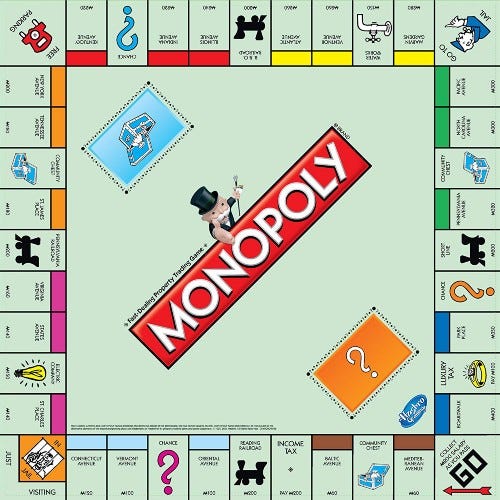
Monopoly is a mini-social system with rules. Following these rules offer the “path of least resistance” to playing the game, but following them also impacts player behaviour.
That is, players are led down one path — greed. If you’ve played Monopoly, you know the whole goal is to control the board and winning involves making sure your opponents lose all their money and property. It’s a rule set that not only encourages greed and all the attributes that come with that, but makes it a necessary part of the experience. The point isn’t about if the game is fun or not, but that the rules encourage a certain behaviour for participation, regardless of personal values.
And if you refuse to abide by them, like by cheating? The other players will probably get angry at you, or they’ll kick you out.
So, when we talk about social systems here, it’s important to consider what you, as a person privileged to be setting the rules, do with this. What outcomes are you looking for, with your ruleset? What is the path of least resistance for community members? In Monopoly, it’s greed.
For Kitfox? It’s kindness.
Especially for forums or Discord, where your community will probably be interacting with each other, you NEED to have rules for your community to clearly see so everyone is on the same page. And you NEED to enforce them in a timely, specific, and equal manner — mods can help with this. For reference, you can check the Kitfox Games Discord rules.
People will have different ideas of the rules and how they should be implemented. But, at the very least, these are the universal principles for the rule of law:
Clearly defined — don’t mince words