
Injection is the technique cheaters use to slip malicious modules or code into a running game process — no changes to the original source required. On Android, it usually takes one of a few forms: SO injection, ptrace injection, or Zygote injection.

The Xposed Framework sits at the center of many of these attacks. It can change how an app behaves — tweaking system settings, rewriting logic — without ever touching the APK itself. That flexibility has made it the foundation for a whole ecosystem of powerful cheats.
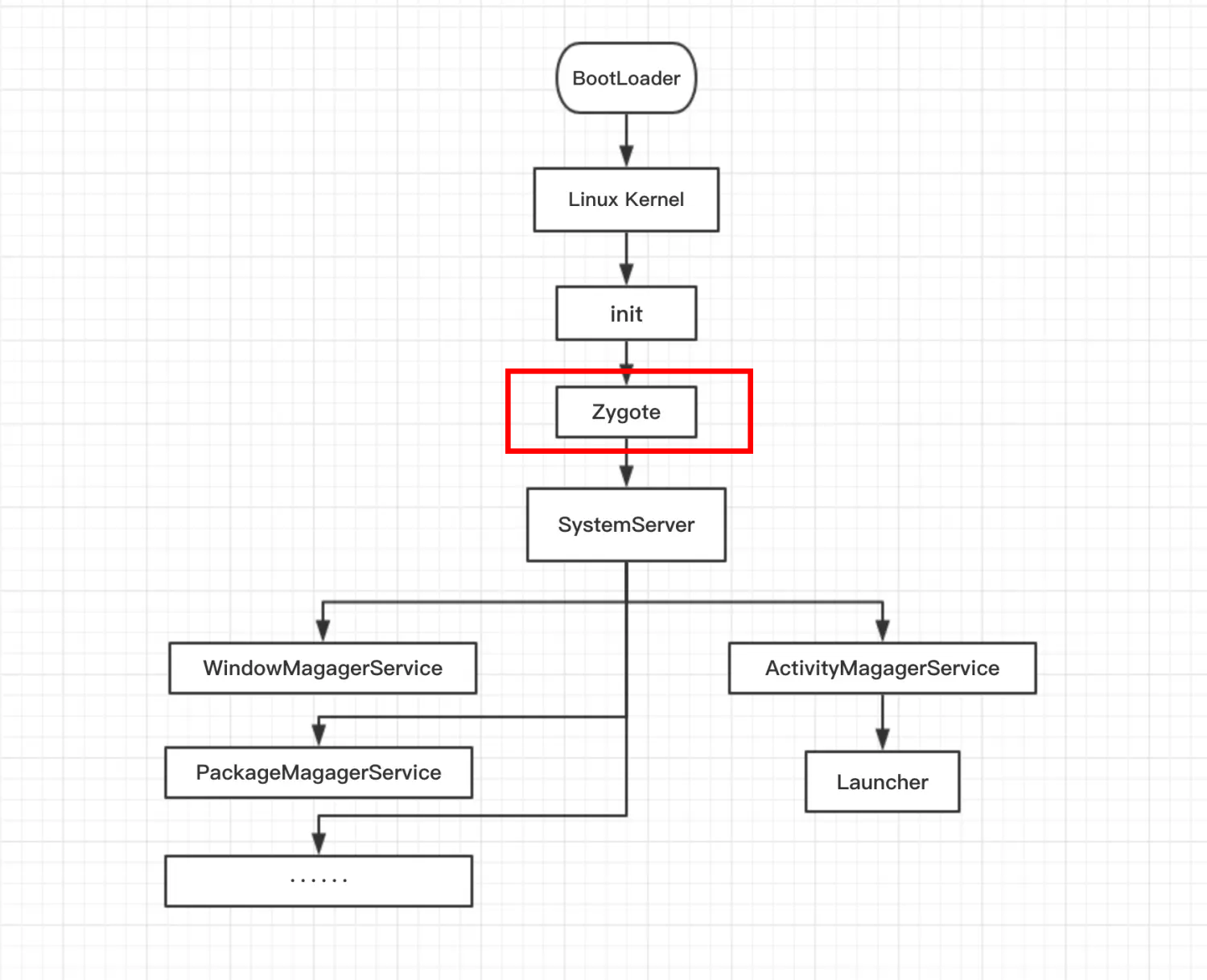
To see why Xposed is so effective, it helps to know how Android launches apps. Every application process is forked from a single parent: the Zygote process. Xposed hooks into that pipeline by replacing the /system/bin/app_process executable, which hands it control of Zygote. From there it loads its own JAR file at boot, effectively hijacking both Zygote and every Dalvik/ART virtual machine spawned beneath it.
Once that injection succeeds, Xposed’s signature capability comes into play: hooking. Hooking lets a cheat insert custom logic immediately before or after a target function runs, giving the attacker free rein to reshape what that function does.
As one of the earliest open-source frameworks of its kind, Xposed left fingerprints that were comparatively easy to detect. Over time it gave way to EdXposed, which added Magisk compatibility and sharpened several features. That lineage eventually produced today’s mainstream successor: LSPosed.
LSPosed builds on Magisk to operate surgically at the ART layer without disturbing core system components, and it ships with built-in stealth designed specifically to dodge detection.
From an attacker’s point of view, LSPosed is the more convenient tool by far. It can rewrite a game’s value modules and runtime logic while leaving the app’s signature and integrity untouched. It does require root, but that’s a low bar today — virtual frameworks and virtual machines can supply it, dramatically lowering the barrier to entry.
To counter these injection-based threats, JikGuard has built a dedicated defense strategy. It’s already deployed across a number of popular games, where it has delivered consistently strong protection.
Proactive Malicious Module Identification
Most security products on the market are reactive: they need a sample of a cheat in hand before they can fight it. JikGuard’s proprietary Proactive Malicious Module Identification works the other way around, flagging suspicious modules on its own. Paired with online countermeasures, it enables true proactive defense and sharply cuts the time needed to detect and investigate a cheat.
Anti-Injection
Blocks injection tools like Xposed and Frida outright, shutting down memory tampering and other post-injection attacks. The moment injection is detected, the app crashes immediately.
Anti-Debugging
Stops cheat developers from attaching a debugger and blocks both static and dynamic analysis of the game. Any attempt triggers an instant crash.
Security Environment Detection
Where other products stop at the surface, JikGuard digs deeper — reliably identifying risk environments such as virtual frameworks, virtual machines, rooted and jailbroken devices, and cloud phones — and applies tailored crash-prevention strategies for each.